
The evolution of gambling a historical perspective on games of chance
The Origins of Gambling
The roots of gambling can be traced back to ancient civilizations, where games of chance served not only as entertainment but also as a form of social interaction. Archaeological findings indicate that the earliest known gambling artifacts, such as dice, were discovered in Mesopotamia, dating back to around 3000 BCE. These primitive forms of gambling were closely intertwined with rituals and religious practices, often intended to predict the future or seek favor from the gods. This suggests that games of chance were not merely activities of leisure but were deeply embedded in the cultural fabric of ancient societies.
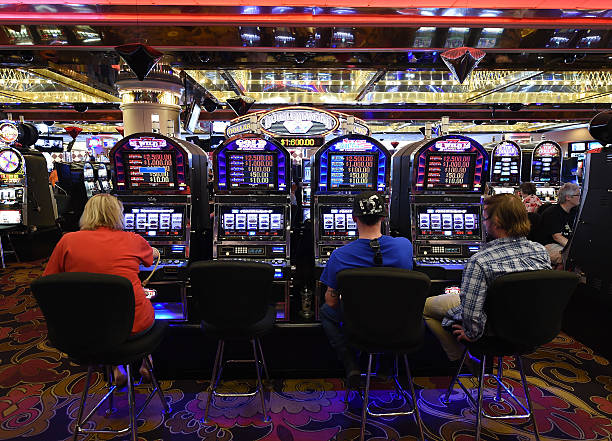
As societies evolved, so did the complexity of gambling. In ancient Rome, for example, gambling became a popular pastime among citizens, with games like dice and betting on gladiatorial contests thriving in the marketplace. Legislation attempted to regulate gambling practices to prevent social ills, reflecting its growing significance in public life. This duality of gambling as both a cherished entertainment and a potential social concern laid the groundwork for future regulations and societal attitudes toward games of chance. fast payout online pokies australia
By the Middle Ages, the popularity of gambling had spread throughout Europe, where games like cards became widely played. Gambling houses began to emerge, providing a designated space for betting. However, this proliferation of gambling also led to negative perceptions, as many viewed it as a vice. The tension between enjoyment and morality during this period set the stage for the evolution of gambling laws and societal attitudes in the centuries to come.
The Renaissance and the Rise of Formal Gambling
The Renaissance period marked a turning point in the history of gambling, as the re-emergence of classical learning and exploration led to increased interest in games of chance. The development of new card games and the invention of the printing press played pivotal roles in this evolution. Printed materials allowed for the widespread distribution of gambling literature, which educated the masses about different betting games and strategies. Consequently, gambling became more sophisticated, with players applying mathematical principles to enhance their chances of winning.
During this era, gambling also became associated with the upper classes, as high-stakes games often took place in exclusive venues. The emergence of lotteries during the 16th century served as another significant milestone in gambling history. These lotteries provided a means for governments to raise revenue while offering citizens the chance to win substantial prizes, thus intertwining state finances with the allure of chance. The regulation of lotteries set precedents for future governmental involvement in gambling.
As gambling continued to flourish, the establishment of casinos became a prominent feature of European society. The first official casino, the Casino di Venezia, opened in Italy in 1638. This marked the transition from informal gambling to organized institutions designed specifically for wagering. The rise of casinos signified a shift in societal perceptions, allowing for more structured forms of gambling that could be monitored and regulated, laying the groundwork for the modern gaming industry.
The 19th Century and the Advent of Modern Gambling
The 19th century ushered in a new era for gambling, characterized by the emergence of various forms of betting that catered to an expanding demographic. With the industrial revolution, urbanization facilitated the growth of cities, where gambling quickly became a popular form of entertainment among the working class. The introduction of horse racing and sports betting provided new avenues for wagers, allowing people from different social strata to engage in games of chance.
The establishment of legal frameworks governing gambling emerged during this time, as governments sought to regulate and benefit financially from these activities. Various regions began to adopt specific laws regarding casinos, lotteries, and sports betting, which not only helped mitigate the negative societal impacts but also generated tax revenues. The formation of organizations to oversee these regulations signified a maturation of the gambling landscape, where both the players’ rights and societal concerns were taken into account.
Additionally, the introduction of technology during this period transformed the gambling experience. Innovations such as the mechanical slot machine in the late 1800s changed the way people engaged with games of chance. This invention not only provided a new form of entertainment but also signaled the beginning of a trend toward automated gambling, which would eventually lead to the digital age of gaming. As technology continued to evolve, the gambling industry found new ways to attract players, setting the stage for the future of gambling.
The Digital Revolution and Online Gambling
The late 20th century marked the onset of the digital revolution, which dramatically altered the landscape of gambling. The introduction of the internet in the 1990s opened new avenues for gambling, allowing players to participate in online casinos and poker games from the comfort of their homes. This shift not only provided unprecedented convenience but also significantly expanded the reach of gambling, attracting a younger demographic that may not have engaged in traditional betting establishments.
Online gambling platforms quickly grew in popularity, offering various games and betting opportunities that mirrored their land-based counterparts. The emergence of live dealer games combined the excitement of a physical casino with the accessibility of online gaming, further blurring the lines between traditional and digital forms of gambling. However, this rapid expansion also led to concerns about regulation, responsible gambling practices, and the potential for addiction, prompting governments to rethink their approaches to the industry.
As mobile technology advanced, gambling became even more accessible with the introduction of apps and mobile-friendly websites. Players could now place bets anytime and anywhere, leading to the phenomenon of “on-the-go gambling.” This shift has not only changed player behavior but also influenced the marketing strategies of gambling companies, which now focus heavily on digital engagement. The digital revolution continues to shape the future of gambling, raising important questions about regulation, technology, and player safety.

Future Trends in Gambling
Looking ahead, the future of gambling appears poised for further transformation, driven by technological advancements and changing societal attitudes. One of the most significant trends is the integration of artificial intelligence and machine learning into gaming platforms. These technologies can provide personalized experiences, tailor game recommendations, and even detect problematic behaviors among players, enhancing both entertainment and safety in the gambling environment.
Additionally, the rise of cryptocurrency in gambling presents new possibilities. Many online casinos are beginning to accept Bitcoin and other digital currencies, allowing for secure, anonymous transactions. This shift not only provides privacy but also expands the potential customer base, appealing to tech-savvy individuals who value the benefits of blockchain technology. The combination of cryptocurrencies and online gambling may redefine the industry, creating opportunities for growth and innovation.
Moreover, as virtual and augmented reality technologies continue to develop, the potential for immersive gaming experiences is becoming increasingly viable. Future casinos may integrate VR environments where players can interact in simulated gaming spaces, creating a unique blend of social interaction and gaming. These advancements will likely reshape player engagement and expectations, setting the stage for a new era of gambling that prioritizes user experience while addressing responsible gambling practices.